Showing posts with label Advocacy. Show all posts

Tuesday, February 2, 2021

Letter to the Editor: End Deforestation Before Embarking On Tree-Planting Campaigns

 LETTER TO THE EDITOR

END DEFORESTATION BEFORE EMBARKING ON TREE-PLANTING CAMPAIGNS
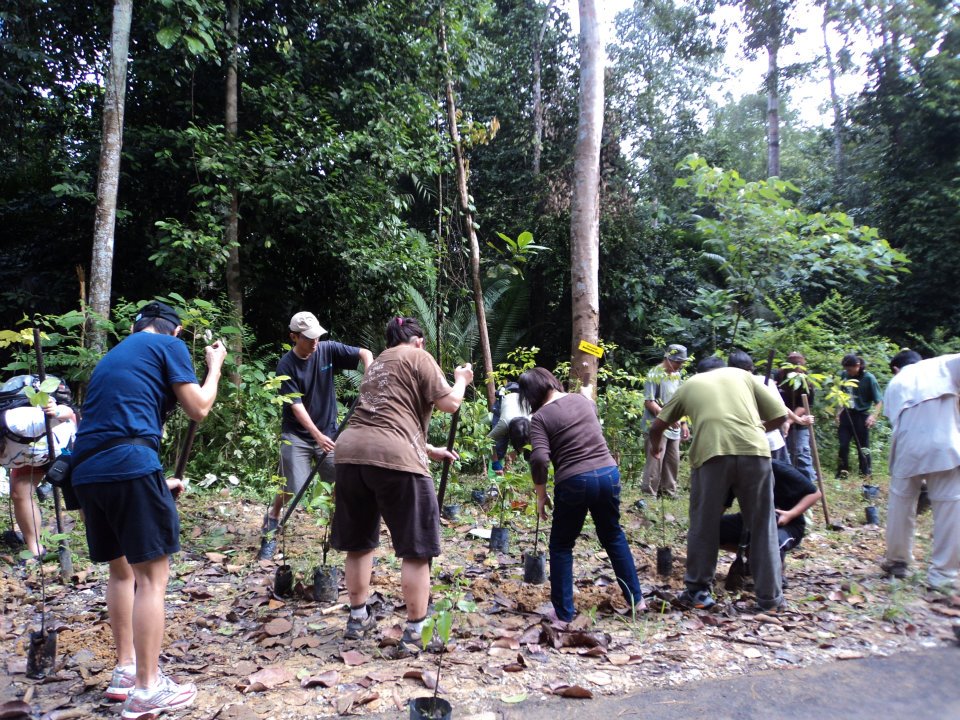


It is difficult for environmentalists not to respond with scepticism to the Prime Minister’s 100 Million Tree Planting Campaign. While it is heartening to see that the government acknowledges climate change to be a real and imminent threat, the actions of those in power thus far are not consistent with environmental protection, climate mitigation, or biodiversity preservation. 


The PM claims that Malaysia has forest cover of 55.3%, which is wildly inaccurate as it includes plantations, which consist of monoculture crops that rely on large quantities of synthetic herbicides, insecticides, bactericides, and fertilisers in order to thrive. The UN Food and Agriculture Organisation reported Malaysia’s primary forest cover to be at 18.7% in 2010, and it has decreased since then. Tree cover is not the same as forest cover, and not everything that puts out roots and leaves is automatically beneficial to the environment. Old-growth forests store carbon for centuries, whereas plantations constitute net emitters of carbon due to the disturbance of the soil and degradation of the previous ecosystem. Plantations cannot be classified as forests, and they are in fact a direct threat to forests due to the fact that forests are cleared for agricultural expansion. For the sake of scientific accuracy and for this massive tree-planting campaign to be an actual climate mitigation strategy, this inventory of 100 million trees must necessarily exclude plantation trees. 


While a tree-planting campaign of this magnitude sounds good in theory, the Perikatan Nasional government does not have a credible environmental track record. Just days before the announcement of the 100 Million Tree Planting Campaign, the Kedah government proposed to log 25,000 hectares of the Ulu Muda forest, which is a vital water catchment area and biodiversity hotbed. Further, there are recent reports of logging in the vicinity of the Jerantut Tambahan Forest Reserve and Lesung Permanent Forest Reserve, among other forest reserves. Things in Pakatan Nasional controlled states are not much better, as the Selangor State Government is adamant about proceeding with its plans to degazette and destroy the Kuala Langat North Forest Reserve. Based on these precedents, it is difficult to believe that the government is in any way committed to protecting the environment. 


Planting trees make up only a partial solution to the effects of deforestation. A better, less expensive, and less quixotic option would be to end or at least reduce deforestation. Let us remember that mature trees offset far greater amounts of carbon dioxide than young trees. A tree will only begin to be effective in absorbing carbon in its tenth year, so planting trees as a climate mitigation strategy is not going to produce the results we want to see within our lifetimes. Intact forests provide many ecosystem services that newly-planted trees can’t. Researchers from 15 countries published their findings in Nature in 2014 that old trees not only store carbon and prevent it from escaping into the atmosphere, but actively convert carbon dioxide from the air into their trunks, branches, and leaves, a feat that is not replicated by young trees. Currently, the Earth’s forests and soil absorb about 30% of atmospheric carbon emissions. Mature and biodiverse forests store carbon, recycle water, prevent erosion, harbour biodiversity, and improve air and water quality. When trees are cut down, years of a forests’ stored carbon are released back into the atmosphere. When we plant forests, we gain some of the benefits that forests provide, but it takes decades to grow a healthy forest, and humanity is running out of time. 


I can see the appeal of a massive tree-planting campaign to those in power. It creates the appearance that the government is doing something proactive to protect the environment, and also creates public relations opportunities for corporations, particularly those in polluting and destructive sectors such as construction, property development, and oil and gas, to perform a corporate social responsibility exercise to improve their image. Before we embark on this ambitious and expensive campaign, however, it would be good to know what plans the government and its corporate partners have beyond planting trees. Planting millions of trees is the easy part. Tracking these trees and ensuring the young trees’ survival is the challenging part. Mega tree-planting efforts in India, Turkey, and Ethiopia record the number of saplings planted, but are unable to provide accurate and adequate information about the survival rate of these saplings. What makes us think that Malaysia is going to be the exception, given our society’s poor maintenance culture? Tree-planting campaigns are also a cop-out for governments and corporations because it is a way of avoiding having to address more serious environmental issues such as deforestation, pollution, mining, and other destructive activities. 


By all means, we should plant as many new trees as possible, especially native trees that provide food and shelter for native fauna. However, we need to stop pretending that it will solve the environmental problems caused by weak governance, greed, and the prioritising of short-term benefits over environmental integrity. If the PM truly cares about “greening Malaysia” and our trees, as he had claimed, he would start by putting a halt to deforestation and the degazettement of forest reserves. 


WONG EE LYNN

PETALING JAYA


Monday, July 29, 2019

Letter to the Editor: Consider Alternatives To Groundwater Extraction


LETTER TO THE EDITOR:
CONSIDER ALTERNATIVES TO GROUNDWATER EXTRACTION


Minister of Water, Land and Natural Resources Dr. Xavier Jayakumar’s proposal to tap into Malaysia’s groundwater supply to meet growing water demand is baffling, considering that there are many other less costly and destructive means of meeting our country’s water needs.

That the Minister reported of forests in Kedah catching fire due to drought is precisely what environmentalists and concerned citizens have been warning the authorities about for years – protect water catchment areas, gazette the Ulu Muda Forest Complex, and end deforestation, or we will face a water crisis.

A fully-grown tree releases 1,000 litres of water vapour a day into the atmosphere. Thus logging leads to higher temperatures and a decline in rainfall due to the reduced ability of a cleared or decimated forest to absorb solar energy and release water vapour. 

The 2016 drought affecting the northern states of Peninsular Malaysia is directly linked to logging activities in the Ulu Muda forest complex, which affected climate and water cycle patterns, resulting in a massive decline in dam water levels and a postponement of the paddy planting season.

Now that a water crisis is imminent, the Minister has made the alarming proposal to drain other sources of water, rather than manage the resource that best ensures a sustainable and consistent supply of water – our tropical rainforests, which act as vital water catchment zones.

It is essential that we protect our remaining forests and maintain the health of our rivers, wetlands and water catchment areas to ensure that water resources are safe for us and can be sustained for future generations.

Tapping into our groundwater supply while failing to protect water catchment areas, manage water demand, and end non-revenue water loss, is like withdrawing funds from an already overdrawn bank account.

The sustained pumping of groundwater can lead to groundwater depletion and deterioration of water quality. As water levels in lakes and rivers are also linked to groundwater seepage, the excessive drawing of groundwater can result in a decline in the water levels of lakes and rivers and the loss of riparian vegetation and wildlife habitats.

When groundwater is continually pumped out of the earth, it can result in land subsidence, namely, the collapse and sinking of soil. This can result in disasters such as the opening up of sinkholes and surface cavities such as in New Orleans after Hurricane Katrina, the tilting and cracking of buildings such as in Mexico City, and severe flooding such as in Bangkok. Studies have shown that land subsidence can continue for decades even after groundwater pumping has been stopped, as was observed in Arizona.

The Minister should instead seriously consider water conservation measures while options are still available to us, before our water supply has dropped to crisis levels. 

We can learn from the example of the State of California, which faced a drought and water crisis in 2015. In April 2015, California Governor Jerry Brown ordered a 25% reduction in urban water use.  Amazingly, within one month of the water reduction law being implemented, California's water usage went down by not merely 25% but 29%.

Their water conservation measures included emergency adoption of building codes to conserve water, rebates for water-saving devices and landscape conversion and irrigation, water-efficient landscaping, imposing a fine for water wastage, local outdoor watering restrictions, statewide regulations requiring businesses to serve water to customers and launder linens and towels only when specifically requested, and hefty penalties for farmers who pump water from drought-stricken rivers. In a world where clean water is becoming increasingly scarce, it is important that we adopt the best and most cost-effective water conservation practices from around the world such as those implemented by the State of California.

The solution to our country's water problems lies not in tapping into underground water reserves, the construction of an infinite number of dams, or in water rationing for domestic users, but in protecting vital watershed areas, repairing and maintaining the existing water supply infrastructure to minimise non-revenue water loss, and to promote and enforce more efficient water use.

By the Minister’s own admission, non-revenue water loss in Malaysia is calculated to be at the rate of 5,929 million litres per day of treated water, which is sufficient to meet the water demand in both Selangor (3,316 million litres a day) and Johor (1,320 million litres a day). Surely the priority of the Minister should be replace leaky and damaged water infrastructure and end water theft, rather than to extract water from an ever-increasing number of natural sources?

As for the argument that watershed conservation, water-saving measures, and the replacement of old pipes and water supply systems to plug non-revenue water loss will burden the rakyat, it is submitted that constructing yet more dams and groundwater extraction infrastructure will cost taxpayers even more. Given the choice between paying for a temporary solution to water shortage issues (i.e. dams and groundwater wells that will result in environmental destruction or will eventually dry up) and a more durable solution to protect water security (i.e. protection of watersheds, replacement of unsafe and leaking water supply pipes with safer and sturdier pipes, tiered pricing system to penalise only water wastage and heavy water use), I believe most taxpayers and consumers would make the rational decision to spend their money on the latter.  

A responsible government is one that makes decisions that will protect the safety, health, and food and water security of its citizens, and environmental and ecological integrity for generations to come, regardless of who will hold political power then.


WONG EE LYNN
PETALING JAYA, SELANGOR

Friday, February 22, 2019

Letter to the Editor: Bauxite Mining Still Poses Clear and Present Danger


LETTER TO THE EDITOR
BAUXITE-MINING STILL POSES CLEAR AND PRESENT DANGER

(Photo credits: Fuziah Salleh)

Malaysian Nature Society (MNS) Selangor is disappointed that the Ministry of Water, Land, and Natural Resources has made the decision to lift the moratorium on the extraction and export of bauxite in Pahang (18 Feb).

The primary motivation for the decision appears to be the high market demand for bauxite and the economic gains to be made from it. The environment and public health and safety are merely secondary considerations.

Although the Minister has indicated that there will be new standard operating procedures (SOPs) and tighter regulations in place, the public has yet to be informed of what these SOPs are and how they compare with previous and existing safeguards, and how transparent and effective the monitoring and enforcement measures will be.

Even as far back as 2016, SOPs such as requiring bauxite to be transferred via safer pakamatic lorries, rerouting lorries to avoid heavily populated areas and setting up a designated bauxite stockpiling centre failed to stop industry players and enforcement agencies from flouting the regulations with impunity. What assurance is there that this time the same industry players and monitoring and enforcement agencies will not put personal interest and profits before the environment and people?

Further, the proposed fine of RM500,000 and three months’ imprisonment under the Pahang State Mineral Enactment 2001 appears to be too lenient for such a lucrative industry. There appears to be no prerogative afforded to the enforcement bodies to shut down and ban industry players found to be flouting the SOPs.

We must not lose sight of the reasons why the moratorium was imposed in the first place. Intensive bauxite mining and processing activities caused major contamination of water sources, air and soil pollution, and an increase in health complaints, particularly respiratory-related, from the local residents. The environmental and scientific community had also reported that bauxite mining and processing had resulted in the leaching of toxic heavy metals such as mercury, cadmium, lead and chromium into river systems, poisoning fish and aquatic life and posing a danger to the fishing and coastal communities.

The public has so far not been informed of how wastewater and other waste materials from the bauxite mining and processing activities will be treated and disposed of, and from where the water for bauxite washing will be sourced. This raises concerns that there will be a growth in illegal dumping grounds for the waste generated from the resumption of bauxite mining and export activities.

News reports indicate that the Pahang Mineral Operators Association would be regulating its own members and activities. This again will raise the question of how objective, neutral and effective they will be, considering that they have not demonstrated exemplary commitment to environmental protection and public health and safety in 2015 and 2016 prior to the moratorium. There must be greater opportunity and space for neutral civil society groups and environmental organisations to participate in the monitoring and reporting process, and independent environmental auditors must be engaged to inspect and report on the bauxite mining and exporting activities without fear or favour.

MNS Selangor is not against development or state governments managing their natural resources to maintain economic growth. We are, however, in favour of the responsible management of natural resources and greater transparency and accountability. Economic growth cannot be sustainable or legitimate if it comes at the expense of the environment and public health and safety.


WONG EE LYNN
MALAYSIAN NATURE SOCIETY (MNS) SELANGOR


Sunday, December 30, 2018

Letter to the Editor: Much Still Needs To Be Done To Protect Environment


LETTER TO THE EDITOR
MUCH STILL NEEDS TO BE DONE TO PROTECT ENVIRONMENT

The Malaysian Nature Society (MNS) Selangor Branch would like to congratulate the Minister of Energy, Science, Technology, Environment and Climate Change YB Yeo Bee Yin on being recognised as one of Nature Journal’s top ten people who made a difference to the environment in 2018 (TheStar, 20 Dec 2018).

MNS Selangor along with other local environmental organisations have long lobbied the Malaysian government for better energy, water, land and waste management policies, and stronger laws against single-use plastics.

While we are heartened by YB Yeo’s pledge to phase out single-use plastics in Malaysia, we are concerned that the 12-year timeline is simply too long to be effective in dealing with an issue as urgent as marine plastic pollution. Kenya took drastic action to ban plastic bags over a year ago, while Bali is set to ban plastic bags and other single-use plastics by next year. Malaysia should not be lagging behind our neighbours in taking decisive action to cut down on the manufacturing, consumption, use, distribution and disposal of single-use plastics. This is especially so after we have witnessed how inadequate our recycling and waste management systems are in dealing with the world’s plastic waste that was foisted on Banting, Klang and other Malaysian towns following China’s refusal to accept any more plastic waste from developed nations for recycling. A 5-year roadmap would be a better testimony of the government’s seriousness and sincerity in dealing with the issue of single-use plastics and plastic pollution.

Much more needs to be done to conserve Malaysia’s environment, biodiversity, wildlife and natural resources, and unfortunately we have not seen very much concrete action or moral courage on the part of the relevant authorities, enforcement agencies and government ministries. The Ministry of Housing and Local Government, Ministry of Energy, Science, Technology, Environment and Climate Change (MESTECC), Ministry of Works and Ministry of Water, Land and Natural Resources have been conspicuously and alarmingly silent, for instance, on the issue of hill slope development in Penang, the encroachment into native customary lands by plantation companies, and the clearing of green lungs for development projects in Taman Bukit Kiara and Bukit Lagong, among others.

The issues of the degazettement of forest reserves, deforestation and development and infrastructure projects in previously forested areas should not fall within the purview of State governments or the Ministry of Federal Territories alone. It is not enough to say that a particular piece of land is under state ownership and management, and the public or other government ministries and agencies are therefore not authorised to discuss, question or challenge any development plans in green lungs and forest reserves. It is not enough to claim that the cost of cancellation or need for housing are too high, and therefore environmental protection must be relegated to the back burner. It is not enough to argue that the issue of deforestation and degazettement of forest reserves fall within the purview of the Forestry Department and the Ministry of Water, Land and Natural Resources, as deforestation has an impact on climate change and should therefore be inconsistent with MESTECC’s climate change mitigation policies.

Deforestation and development projects in forested areas, especially ecologically sensitive areas with high biodiversity and high conservation value, affect more than just the value of neighbouring properties. Increased disasters such as landslides, flash floods, and drought, and increased air, water, noise and light pollution, will have an adverse impact on climate and environmental quality, and will affect human and animal quality of life and a particular community and ecosystem’s ability to sustain itself. Wildlife populations may end up unable to breed, find food, or avoid conflict with humans. Highway and development projects may end up bisecting or fragmenting wildlife habitats and lead to an increase in wildlife roadkills. New roads and highways may create access for illegal loggers and poachers where there was none before.

The degazettement of forest reserves and destruction of the natural environment are taking place on the watch of those entrusted to protect the environment. Those of us in environmental organisations are fully aware of the need to balance environmental protection with economic needs. However, in many instances, there is no actual pressing social or economic need resulting in a genuine conflict, and there should be no compromise on environmental protection. For far too long, the Malaysian authorities have been defending environmentally destructive projects that benefit only a selected few with economic and political leverage. Environmental organisations and citizens’ action groups with no ulterior motives or hidden agendas other than to speak up for the natural environment are treated as adversaries, instead of as valuable and impartial allies. Hill slope development is clearly dangerous, unsustainable and indefensible especially after so many disasters and loss of lives, yet hill slope development projects continue to be approved. The continued destruction and acquisition of native customary lands and the oppression of indigenous communities by corporations, developers and plantation owners cannot be allowed to proceed unchecked. The gazettement of forest reserves becomes meaningless if degazettement and forest-clearing can take place at any time with impunity.  

All of us have only a small window of time to help protect natural spaces and vanishing species. Politicians’ windows of time are even smaller. While praise and credit must be given where it is due, we must remember that environmental conservation in Malaysia is an uphill battle and many issues are not afforded the urgency and importance they deserve. We need to prioritise the environmental challenges with the highest stakes and greatest potential for lasting and irreversible damage. Environmental organisations are always ready to meet with the government to discuss solutions. Environmental organisations are not trying to win a popularity contest against governmental agencies, we are racing against time to prevent the annihilation of the natural world. It is wonderful that Malaysia has a Minister acknowledged by a prestigious science journal to be a champion for the environment. It would be more wonderful still if we could have all the relevant government ministries work together with each other and with environmental organisations and citizens’ action groups to expeditiously and courageously take action to protect Malaysia’s natural environment and deliver environmental justice.


WONG EE LYNN
MALAYSIAN NATURE SOCIETY
SELANGOR BRANCH

Friday, November 23, 2018

Letter to the Editor: No Development Should Take Place In Bukit Lagong Forest Reserve

LETTER TO THE EDITOR: NO DEVELOPMENT SHOULD TAKE PLACE IN BUKIT LAGONG FOREST RESERVE 


It is with alarm that environmentalists and concerned citizens learned today of the proposed degazettement and development of parts of the Bukit Lagong Forest Reserve in Gombak. 

Bukit Lagong provides more than just recreational and ecotourism value to the Selangor State Government, residents and visitors. Forests such as the Bukit Lagong Forest Reserve provide multiple ecosystem services, such as carbon sequestration, flood protection, air quality improvement and water purification. Healthy trees absorb solar energy and release water vapour, thus regulating climate and temperature. Intact forests safeguard biodiversity, protect human health, and mitigate climate change. There is irrefutable data, including from various studies conducted by the World Bank, Wildlife Conservation Society, and Wetlands International, to support the assertion that forests are worth much more intact than when depleted, logged or converted into plantations. The economic returns of forest clearing for logging or development are short lived and can sustain only 1-2 generations at most. 

While the Selangor State Government’s action of calling for feedback and opening the proposed development for public inspection is an encouraging indication of greater transparency and participatory democracy, it must be emphasised that the opinion of the citizens, engineering professionals and the scientific and conservation community must also be taken into account, whether or not they have locus standi to object to the proposed development. Further, the feedback and objections from the public must be thoroughly considered, addressed and acted upon, not merely collected and then filed away to create the impression of civic participation. 

Any proposed development in an ecologically sensitive area with high conservation and high biodiversity value will adversely affect more than just people living in the immediate vicinity of the site. The clearing of forests for roads and construction will increase air and water pollution and the risk of soil erosion and landslides. The destruction of watershed areas will affect the entire state’s water supply and water quality. The opening up of access roads will create access not only for the construction vehicles, but also illegal loggers, poachers and wildlife traffickers. The construction of roads will fragment and bisect wildlife habitats, and the increase in traffic will result in wildlife deaths and wildlife-human conflict. The increase in motor vehicles and fossil fuel use in the area will contaminate the soil and groundwater with fuel runoffs. The clearing of trees will raise carbon dioxide emissions and reduce air quality. All these actions will affect more than just local residents. The damage to the environment will be irreversible, and yet those most severely affected by the destruction – namely, the trees and wildlife – have no suffrage and are unable to put in their written objections. 

The state government and developers have a duty of care not only to the local residents, but to all the living beings present and future who will foreseeably be harmed by the proposed development project. The well-being of the local human residents is interconnected with that of the local flora and fauna and even entities such as rivers and forests. 

The most preposterous thing about this proposed housing development project in Bukit Lagong is the fact that it is so patently wasteful and unnecessary. There is no shortage of viable housing development sites in Selangor. A study in June 2018 found that there are over 34,532 unsold completed residential units in Malaysia. Abandoned projects and lacklustre existing housing projects can be revived, improved and put back on the market. The advantage to reviving abandoned housing projects in urban and suburban areas is that there will often already be existing transportation, waste management and drainage infrastructure and systems, thus reducing the environmental and economic cost of providing housing. 

The proposed housing development project in Bukit Lagong is clearly not designed to meet the housing needs of the poorest and neediest, but to create an exclusive enclave for homebuyers who can afford the luxury of having a home in the heart of nature. The unfortunate cost of the privilege of living next to a forest reserve is that roads, sewage systems and waste management systems will have to be put in where there were none before, thus creating an additional burden on an already strained natural space. If the goals of proposed housing projects were to improve human quality of life, then such projects would be focused in urban areas close to amenities and infrastructures. The question of balancing environmental conservation and meeting human needs for adequate housing does not arise in this situation at all. 

The proposed Bukit Lagong development project must be immediately and irrevocably scrapped. It can benefit only an elite few but will harm a great many in the long run. I urge all concerned members of the public, whether or not you are residing in the vicinity of Bukit Lagong, to write in to the Director of the Selangor Forestry Department at Level 3, Bangunan Sultan Salahuddin Abdul Aziz Shah, 40660 Shah Alam, Selangor, to politely and firmly state your objections to this irresponsible and indefensible proposal to degazette and develop the Bukit Lagong Forest Reserve. 

WONG EE LYNN 
MALAYSIAN NATURE SOCIETY

Thursday, October 25, 2018

Letter to the Editor: Hill Slope Development Comes With Many Environmental Risks

LETTER TO THE EDITOR: 
HILL SLOPE DEVELOPMENT COMES WITH MANY ENVIRONMENTAL RISKS 

 The Bukit Kukus landslide tragedy is a grim reminder that hill slope development comes with many environmental and safety risks. Hill slope development causes erosion, habitat loss and air, water and noise pollution. It threatens wildlife, forests, water security, and soil integrity and stability. 

The Malaysian Cabinet had already drawn up a set of guidelines in 2009 prohibiting development on, inter alia, slopes exceeding 35 degrees, and slopes between 15-35 degrees showing signs of soil instability, erosion or other vulnerabilities. The Bukit Kukus tragedy involved an elevated road on a hill slope with a gradient reported to be 60-90 degrees. 

 The authorities are not unaware of the risks arising from, or the laws and guidelines in place in relation to, hill slope development. The guidelines include the National Slope Master Plan 2009 – 2023 issued by the Public Works Department, while the laws include the Land Conservation Act 1960, Environmental Quality Act 1974, Town and Country Planning Act 1976, and Street, Drainage and Building Act 1974. This clearly shows that there is no shortage of studies, guidelines, regulations and laws in Malaysia pertaining to hill slope development. What is lacking is the political will to enforce these laws and guidelines and to ensure the safety of people and the environment or the sustainability of the project. 

Blaming a massive landslide on rainy weather is irresponsible. Clearly the tragedy is not caused by merely rain and gravity, but corruption, apathy, irresponsibility and a willingness to cut corners and create wiggle room where there should be none. Intact land does not just spontaneously break off and descend on homes and roads when saturated with rainwater. If that were the case, then entire mountain ranges would be flattened annually during the monsoon season. 

Fatal landslides in Malaysia keep recurring because local and state authorities are willing to approve development projects on hill slopes, especially when given the assurance that mitigation measures, no matter how minimal and negligible, would be taken. However, no retaining wall or terrace can mitigate the adverse effects of deforestation, destruction of watershed areas, overdevelopment and mining, quarrying and construction activities near slopes. 

The Highland Towers collapse in 1993, Bukit Antarabangsa landslide in 2008, Hulu Langat landslide in 2011 and Tanjung Bungah landslide in 2017 all precede this latest incident, but decision-makers responded with words of regret and sympathy when strong policies and strict enforcement would have been more effective and would have prevented further tragedies. A prohibition on hill slope development on slopes exceeding a certain gradient should be treated as such, and not merely as a temporary freeze on hill slope development until public outrage simmers down. 

No development or construction activity should ever take place at a site in which the state and local authorities are unable to guarantee full compliance with safety guidelines or criteria. The profits to be gained from authorizing hill slope development work are paid for by construction workers and local residents with their safety and lives. Wildlife, rivers, forests and other natural entities pay the price with their existence. 

There must be a nationwide moratorium on all hill slope development. Existing projects must be reviewed, mitigation measures carried out and laws strictly and transparently enforced. The parties responsible for this fatal landslide must be held to account. Previously forested areas that had been cleared for hill slope development must be rehabilitated. The cost of hill slope development on the environment and communities is simply too high to be justified any longer. 

WONG EE LYNN 
COORDINATOR, 
GREEN LIVING SPECIAL INTEREST GROUP, 
MALAYSIAN NATURE SOCIETY

Sunday, August 26, 2018

Letter to the Editor: ECRL cancellation financially and environmentally the right move


LETTER TO THE EDITOR:
ECRL CANCELLATION FINANCIALLY AND ENVIRONMENTALLY THE RIGHT MOVE

The Prime Minister’s decision to cancel the East Coast Rail Link (ECRL) and gas pipeline projects makes economic and environmental sense. For the sake of Malaysia’s natural environment, it is hoped that none of these projects would be revived even when it becomes financially viable to proceed with them at a later stage. 

The ECRL, had the construction works proceeded, would have bisected the Rantau Panjang Forest Reserve (RPFR) into two separate forest areas. This would have effectively fragmented over 230 hectares of the RPFR, cut off any possible safe wildlife corridors and increased the risk of human-wildlife conflicts and wildlife deaths. 

The plans for the proposed ECRL rail alignment also showed that it was to cut through a section of mangrove forest as it approached Port Klang. This would have grave consequences on the health of the mangrove ecosystem in the area, which as we all know, plays an important role in erosion prevention, flood mitigation, water quality regulation, and as nurseries for fish and other marine life. Not only that, the project would have also been detrimental to the livelihood, agricultural and fishing activities and water supply of the local coastal communities. The project is said to be capable of creating business and employment opportunities, but it is foreseeable that it would also affect the livelihood and quality of life of rural communities. It is hoped that all future infrastructure projects will take these factors into consideration before proposing activities that will alter the landscape of mangrove forests.

The ECRL project, had it proceeded, would affect up to 12 forest reserves, including the Central Forest Spine (CFS), 5 major rivers in Kelantan, 16 rivers in Terengganu, 5 rivers in Pahang and 1 river in Selangor. The environmental cost of the project is simply too high for a rail link that most Malaysians perceive to be an expensive convenience that may be nice to have but is inessential and unnecessary. 

Although the ECRL project team and the previous Ministry of Natural Resources and the Environment had in 2017 attempted to reassure environmental organisations that the project would reduce forest loss and wildlife deaths through the use of an estimated 45 tunnels and 29 wildlife viaducts, it cannot be denied that wildlife populations, air and water quality and forested areas would still be adversely affected by the project, both during the construction process and after the completion of the project. Tunnels, fences and wildlife viaducts and crossings may not always provide a solution and may indeed create fresh problems for wildlife populations. Fences erected to prevent wildlife from encroaching onto railway tracks could further fragment habitats and limit a species’ natural range and breeding opportunities. A study conducted by wildlife researchers with the Department of Wildlife and National Parks (Perhilitan) from 2011-2013 on the effectiveness and usefulness of wildlife viaducts found that the viaducts studied were only effective crossing structures for only a few species, and that some species took a longer time to adapt to new crossing structures (Source: The Star, 22 Sept 2014). In the meantime, more wildlife lives would be lost to traffic and human-wildlife conflict, including hunting and illegal poaching. The same study also recorded the presence of hunters and campers at the viaducts, thus highlighting the fact that one cannot just construct a wildlife viaduct and expect it to mitigate wildlife deaths by the mere fact of its existence. Wildlife viaducts and crossings need constant maintenance and monitoring, and in spite of this may still not register the desired level of effectiveness. The best option is always to divert and realign any proposed infrastructures away from environmentally-sensitive areas. Opening up forested areas for road, highway and railway construction has almost invariably led to an increase in illegal logging, poaching, and hunting and the conversion of forests into land for human activity.


Now that the project has been cancelled and construction sites and cleared forests will be left behind, I support and commend Ketari assemblywoman Young Shefura Othman’s recommendation that the abandoned project sites be restored and replanted with trees without delay to prevent greater environmental damage, landslides, flash floods and the encroachment of poachers, loggers and illegal settlers. 

The viability of all existing and future infrastructure projects should not merely be based on the availability of funds and the projected return on investment. It should always prioritise the environment and consider factors such as how it would affect ecologically sensitive areas, watersheds, hill slopes. wildlife and bird habitats, water and air quality, and rural and indigenous communities. Financial debts can be paid off over time, but environmental damage and biodiversity loss can be almost impossible to rectify. 


WONG EE LYNN
COORDINATOR,
GREEN LIVING SPECIAL INTEREST GROUP,
MALAYSIAN NATURE SOCIETY

Monday, July 30, 2018

Letter To The Editor: Reconsider Construction of PIL1 Highway


LETTER TO THE EDITOR:
RECONSIDER CONSTRUCTION OF PIL1 HIGHWAY

The Penang State Government should consider all points of view before being defensive over the proposed Pan-Island Link 1 (PIL1) highway plans. Before the 14th General Elections, Pakatan Harapan had promised to review mega projects and re-evaluate the necessity, economic feasibility and benefits of highway and infrastructure projects. Concerned citizens have now highlighted the risks of increased air, water and soil pollution and increased traffic from the proposed PIL1 highway plans. To dismiss their concerns would be to dismiss the concepts of transparency, democracy and public participation that the Pakatan Harapan government claims to be committed to.   

Whether or not PIL1 will result in the decrease of property values or cut through Penang’s Youth Park is secondary to the undeniable fact that PIL1, and indeed, any highway construction project, will result in poorer water and air quality for residents, and possibly more dry spells due to reduced watershed areas, and more wildlife roadkills due to greater fragmentation of areas able to support animal and bird populations.

The construction process itself will result in an increase in air and water pollution, waste generated and traffic congestion due to construction vehicles and traffic diversions. Road and highway projects do not benefit the lower-income and marginalized groups who cannot afford to own vehicles and use highways, and yet these are the groups most likely to be adversely affected by heavier traffic, noise pollution and poorer air quality.

The argument that highways are necessary for the alleviation of traffic congestion is fallacious, and anyone involved in public planning and transport policies can attest to the fact that the construction of more roads and highways will only lead to the well-known and long-established effect known as “induced traffic”.

Whenever a new road is built, more traffic will divert onto it, as more motorists would make the decision to make trips they would otherwise not make, and travel longer distances because of the presence of a new road. Commuters who would otherwise plan their trips and manage their time in order to carpool or take public transport would be persuaded to drive instead, as the existence of a new highway would persuade them that it would be more comfortable, convenient and time-saving to drive. Instead of planning their routes to avoid peak hour traffic, motorists would opt to drive on highways in the belief that it could accommodate more traffic and shorten their routes.

The solutions to the problem of traffic congestion are to make better use of the state’s existing road and transport systems, improve public transport, reduce incentives for private vehicle usage, and improve road safety for public transport users, cyclists and pedestrians. Penang and indeed most of Peninsular Malaysia has the infrastructure for an efficient public transport system, but unfortunately not the political will or societal commitment to make public transport systems reliable, punctual, convenient, affordable and safe. Improving road safety and the public transport system will use less public funds, benefit a greater strata of society, have a lower environmental and carbon footprint and take less time to implement than constructing more highways and roads.

Just as adding new roads and highways would not reduce traffic congestion, removing existing roads will not exacerbate the problem either. When Paris downsized and reduced roadways, motorists simply readjusted to the new system and up to 20% of commuters switched to public transport. When San Francisco removed the Central Freeway in 1989, motorists eased into using a smaller boulevard without difficulty. When Seoul shut down a highway and replaced it with a river, parkland and smaller roads, traffic situations did not change but air quality and city living conditions improved. The Penang State Government is not required to make a decision as radical as closing down existing roads. It would, however, be courageous and responsible for it to review and reconsider the necessity of PIL1.

WONG EE LYNN
COORDINATOR,
GREEN LIVING SPECIAL INTEREST GROUP,
MALAYSIAN NATURE SOCIETY


Tuesday, May 15, 2018

Letter to the Editor: Reduce Waste and Consider the Environment During and After Election Campaigns


LETTER TO THE EDITOR

REDUCE WASTE AND CONSIDER THE ENVIRONMENT DURING AND AFTER ELECTION CAMPAIGNS


Now that the 2018 General Elections are over, I believe voters on both sides of the political divide can agree on one issue – that too much waste has been generated by both political coalitions during the campaign period. The sheer amount of waste generated and public funds and political donations expended in producing campaign materials and carrying out campaigns has an environmental and social impact.


I am of the opinion that the existing campaign spending cap of RM200,000 for each Parliamentary seat and RM100,000 for each State seat under the Election Offences Act 1954 is sufficient and should not be raised. We have seen for ourselves that an increasingly informed electorate is not swayed by handouts or the number of flags or banners, but has progressively relied more and more on social media, the internet and other independent sources of news to keep itself abreast of political news and developments. The funding of, and spending for, election campaigns are therefore not as necessary as we are led to believe it to be. A draft Political Donations and Expenditure Bill to curtail corruption and money politics was presented to the Attorney-General in 2017 but was not tabled in Parliament before the 14th General Elections. There is now a pressing need to table and review this Bill in the interests of transparency and integrity.


Apart from the link between political donations, undue influence and corruption, as an environmentally-minded citizen, I am of the opinion that enforcing the election campaign spending cap, monitoring donations and having clear guidelines on election spending and campaigning will pressure political parties and their campaign teams to be more careful about how funds are used, and this may in turn result in less indiscriminate production and display of election campaign paraphernalia.


During the recent campaign period, the sheer volume and density of election posters and flags in some areas pose a hazard to road-users and citizens. Traffic lights and signs are obscured and pedestrians have to look out for falling makeshift billboards and flagpoles. Restrictions on the number of physical campaign materials that each candidate is allowed to display in each area will force campaign teams to be more discerning and mindful as to what and how many materials to produce and where to affix them. 


It is not enough that political parties remove all campaign materials within 14 days after polling day. To demonstrate their commitment to the environment and prudent use of resources, political parties should endeavour to avoid generating excessive waste in the first place. We currently have non-governmental organisations collecting used and discarded party banners for repurposing and ‘upcycling’ into tote bags, sleeping mats for the homeless and the like. While this is creative and commendable, it should not be the responsibility of NGOs to find ways to delay the journey of campaign materials to the landfill. It should be the responsibility of parties, candidates and their campaign teams to find ways to reduce the amount of waste going to landfills and the corresponding expenses of collecting and transporting the waste.


Guidelines can be drawn up to put pressure on candidates and their campaign teams to:

1.      Reduce the amount of new campaign materials produced;

2.      Avoid using campaign materials that are toxic, polluting or non-recyclable;

3.      Produce more durable campaign materials (especially party flags, caps and t-shirts) that can be used over and over again;

4.      Produce campaign materials that can be more easily composted, recycled or repurposed;

5.      Avoid nailing campaign materials to trees or affixing campaign materials in environmentally-sensitive areas, such as near nature reserves and bird habitats;

6.      Avoid producing, buying or using materials that pose a threat to wildlife, such as styrofoam, balloons, and firecrackers, and leaving exposed wires and trailing strings after affixing campaign materials, as these could harm pedestrians and animals;

7.      Ensure that assemblies and ceramahs are held far from known bird and wildlife habitats such as urban parks and recreational forests, and reduce noise and light pollution during such events;

8.      Avoid giving out flyers and handouts during election campaigns and assemblies; and

9.      Provide campaign teams and agents with food and water that is not served in single-use disposable packaging.


The practice of providing food, gifts, goodie bags and promotional materials during campaigns should be eradicated completely as these not only create waste and litter but constitute money politics.


Although the General Elections typically take place only once every five years, it is absurd to justify wasteful and destructive practices on the basis that the elections do not occur very frequently. Election campaigns can and should be carried out with as little harm on the environment and community as possible. For political parties and candidates, remember that your work is a better testimony of your worth and better predictor of your election success than any billboard, poster or handout could ever be.   


WONG EE LYNN

COORDINATOR,

GREEN LIVING SPECIAL INTEREST GROUP,

MALAYSIAN NATURE SOCIETY


Tuesday, April 17, 2018

Letter to the Editor: Make Environment A Priority, Not An Afterthought


LETTER TO THE EDITOR
MAKE ENVIRONMENT A PRIORITY, NOT AN AFTERTHOUGHT
 
It is heartening to know that 69% of Malaysian voters consider environmental protection to be one of the factors that will influence the way they will vote in the upcoming General Elections (The Star, Sun 15 March 2018: https://www.thestar.com.my/news/nation/2018/04/15/pakatan-manifesto-on-environmental-protection-more-specific-say-activists/).
 
For far too long, sustainability and environmental conservation have been put on the backburner or seen as something ideal but inessential. In recent years, the destruction and human suffering caused by the East Coast floods, the 2014 droughts which led to water rationing in Selangor, the pollution of water sources in Cameron Highlands, reduced fish bycatch, the clearing of more land and forest for highway and infrastructure construction, the recurring haze, wildlife deaths and the economic uncertainty arising from the European Parliament’s proposed ban on palm oil biodiesel from Malaysia for environmental reasons have all played a role in raising public awareness on the interconnectedness of human and environmental well-being.
 
Having perused the election manifestos of both political coalitions, however, I am of the opinion that more specific, effective and convincing pledges need to be made. As we are all aware, the actions of legislators and governmental decision-makers are often inconsistent with their pledges. Some of these inconsistencies are pointed out below:
 
ON CLIMATE MITIGATION
 
Both coalitions pledge to take action to reduce carbon emissions by way of measures such as cleaner diesel and petrol and increasing the development and use of renewable energy.
 
Yet at the same time Barisan Nasional’s pledges to accelerate the growth of the oil and gas industries, its Forest Economy Policy which focus is on income generation and not conservation and its proposals to construct more roads and highways effectively efface any good that its plans to introduce electric buses, switch to LED lights and create urban parks and recreational areas could potentially create.
 
Pakatan Harapan has pledged to promote the development and use of green technology and renewable energy and halt Barisan Nasional’s plans to construct a nuclear power plant, but at the same time plans to reintroduce petroleum subsidies and construct more roads and highways.
 
Both coalitions should instead focus on policies to reduce reliance on private vehicle ownership and driving, by establishing reliable and affordable non-fossil fuel powered public transport systems, creating incentives for telecommuting and upgrading existing road and rail infrastructure instead of opening up more land for highways and roads.
 
ON DEFORESTATION
 
Both coalitions pledged to curtail illegal logging and manage forests and forest resources sustainably, despite their existing history of doing the exact opposite. Barisan Nasional had authorized logging and forest clearing in Ulu Muda, Merapoh and Terenggun, among others, despite knowing the importance of the ecosystem services provided by these forest reserves.
 
Similarly, Pakatan Harapan in its previous election manifesto had pledged to gazette and conserve forests and halt illegal logging, but went on to degazette parts of the Selangor State Park for the construction of the East Klang Valley Expressway (EKVE), and this action makes voters now wary about their lofty promises to halt deforestation.
 
Both coalitions pledged to preserve biodiversity and wildlife populations, yet under their watch, the construction of yet more highways and roads has opened up access to wildlife for poachers and wildlife traffickers, and caused an alarming increase in wildlife roadkill.
 
The rakyat needs to witness sincerity on the part of the political leaders in protecting forests, water catchment areas and environmentally sensitive areas. No amount of public relations exercises comprising the planting of trees in urban parks is able to reverse the adverse impact of rampant deforestation, fragmentation of wildlife habitats and the opening up of more land for infrastructure projects.
 
ON WASTE MANAGEMENT AND PLASTIC POLLUTION
 
Both coalitions promised to improve solid waste collection services and ease of recycling. Yet Barisan Nasional proposed to reverse the ban on free plastic bags in Pakatan states, and has allowed the plastics manufacturing industry to be a powerful lobby. In Pakatan states, the ban on free plastic bags has normalized waste reduction practices and encouraged consumer environmental responsibility, but the replacement of styrofoam food packaging with other forms of plastic packaging that are neither biodegradable nor collected and recovered for recycling has cancelled some of the benefits of the plastic bag and styrofoam ban.
 
According to a 2015 study published in Science journal, Malaysia is among the top 8 highest-offending ocean plastic polluters in the world. Malaysia is one of the 200 countries which signed the December 2017 UN resolution on microplastics and marine litter, but has to date not been seen to do anything constructive to reduce plastics production, consumption and disposal, although the Selangor State Government has been regularly cleaning up its beaches, which, while commendable, constitutes a treatment of the symptoms and not the cause.
 
Both coalitions need to create incentives for waste reduction and alternatives to plastics and other harmful and wasteful materials and industries. The environment cannot wait. Already human and animal health and food security have been adversely affected by plastics pollution and poor waste management practices.
 
Voters are becoming better informed, and will not stand for environmental tokenism by either political coalition. It cannot be the job of concerned citizens, non-governmental organisations and volunteers alone to protect and speak up for Malaysia’s natural environment and resources. Malaysia stands to gain more economic benefits and ecosystem services from keeping its forests, mangroves and other environmentally-sensitive areas intact and biologically diverse, than from issuing permits for logging, mining and road construction. The time to act for the environment is now. Environmental conservation should be each political coalition’s main consideration in all its policies and decisions, and not an afterthought.
 
 
WONG EE LYNN
COORDINATOR,
GREEN LIVING SPECIAL INTEREST GROUP,
MALAYSIAN NATURE SOCIETY